


What is Fusion?
▼ HOW FUSION WORKS
Fusion is the process that powers the sun. Inside its core, immense pressure and temperature force hydrogen nuclei to combine into helium, releasing vast amounts of energy, far greater than any chemical reaction including nuclear fission.
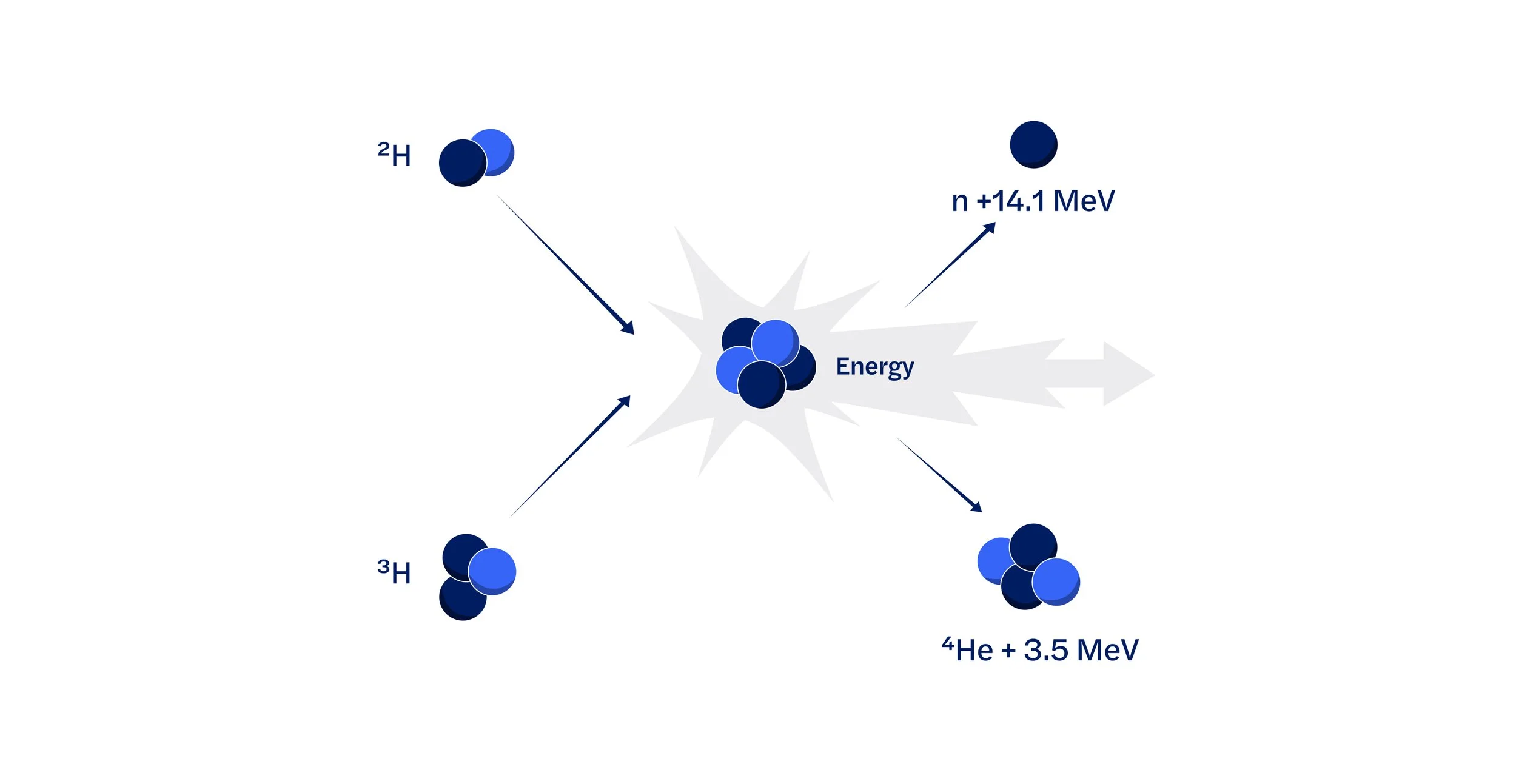
How Fusion Works
When deuterium and tritium are heated to roughly 100 million degrees Celsius, more than six times hotter than the core of the sun, and confined long enough to react, they fuse to form a helium nucleus and release a high-energy neutron. The reaction releases 17.6 million electron volts of energy: 14.1 MeV carried by the neutron and 3.5 MeV by the helium nucleus. That energy, captured and converted, is what we call fusion power.
The challenge is sustaining these extreme conditions long enough to produce more energy than the system consumes, a milestone known as breakeven. In December 2022, the National Ignition Facility achieved scientific breakeven for the first time in history. The next milestone is net commercial energy, producing electricity at a competitive cost.
▼ WHY IT MATTERS
The Advantages of Fusion
Fusion is a uniquely complete answer to several constraints of existing energy sources at once:
Extreme Energy Density

A single fusion reaction releases roughly four times more energy per kilogram of fuel than fission, and several million times more than any chemical reaction. A 1-gigawatt fusion power plant would require just 250 kilograms of fuel per year.
Carbon-Free

Fusion produces no greenhouse gas emissions during operation. Helium and a small volume of short-lived activated material are the only byproducts.
Virtually Unlimited Fuel

Deuterium can be extracted from ordinary seawater. Tritium can be bred from lithium inside the reactor itself. Neither fuel is geographically concentrated or subject to import dependency.
Inherently Safe

Fusion reactions require precisely controlled conditions to be sustained. Any disruption stops the reaction. There is no risk of meltdown, no long-lived high-level radioactive waste, and no weaponization pathway.
Baseload & On-Demand

Unlike wind and solar, fusion does not depend on weather, daylight, or season. It runs continuously, providing the steady baseload power needed for industrial loads, data centers, and grid stability.
Sited Near Demand

Fusion plants can be built where energy is consumed—next to data centers, industrial facilities, or population centers—avoiding the long-distance transmission losses and infrastructure costs that constrain renewables.
What Fusion Could Power
Fusion energy's profile opens applications that today's energy mix struggles to serve.
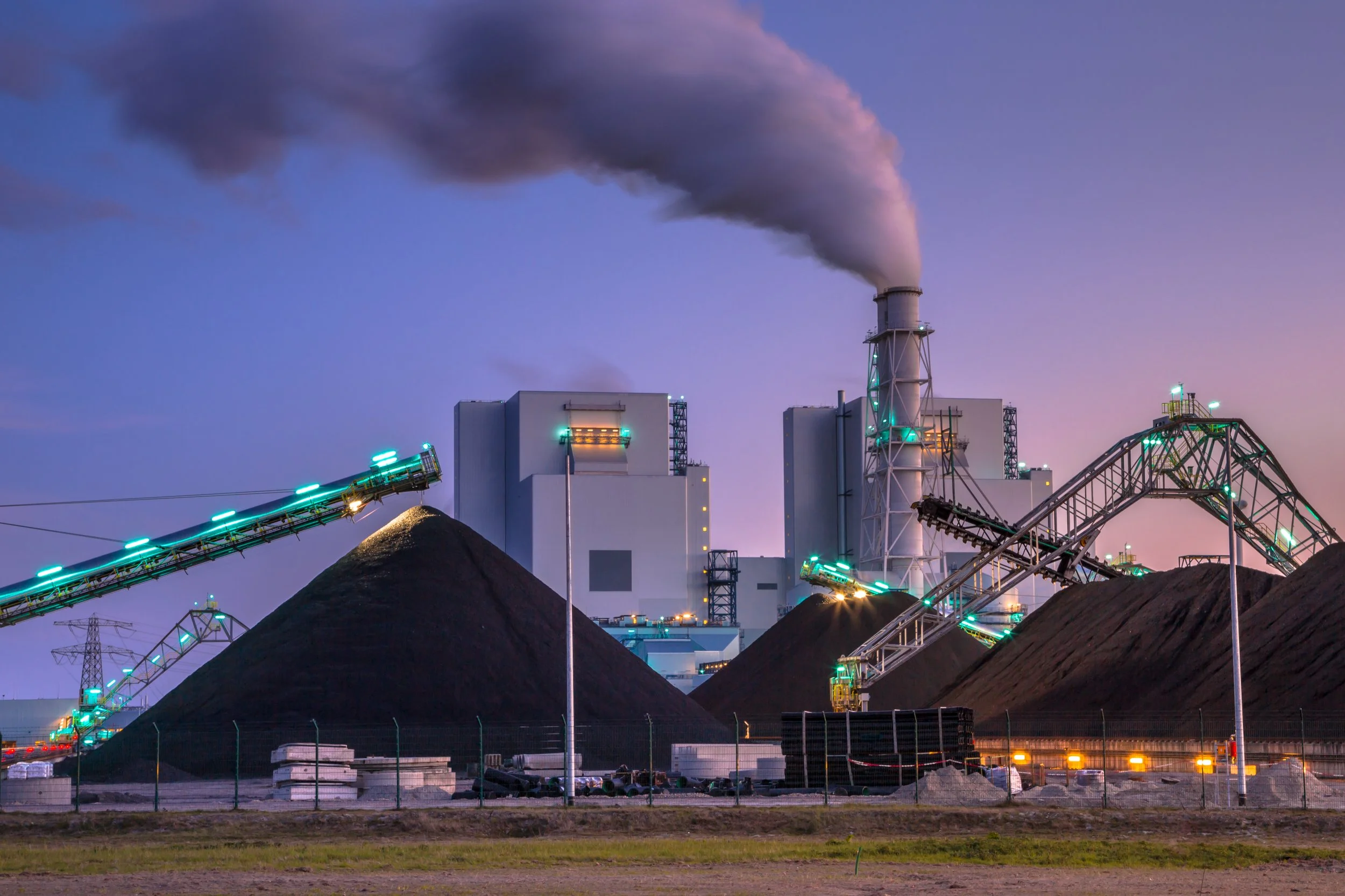
Baseload Electricity
A direct replacement for the carbon-emitting baseload capacity (coal, gas) being retired worldwide. Fusion produces electricity on demand, around the clock, without batteries or backup generation.
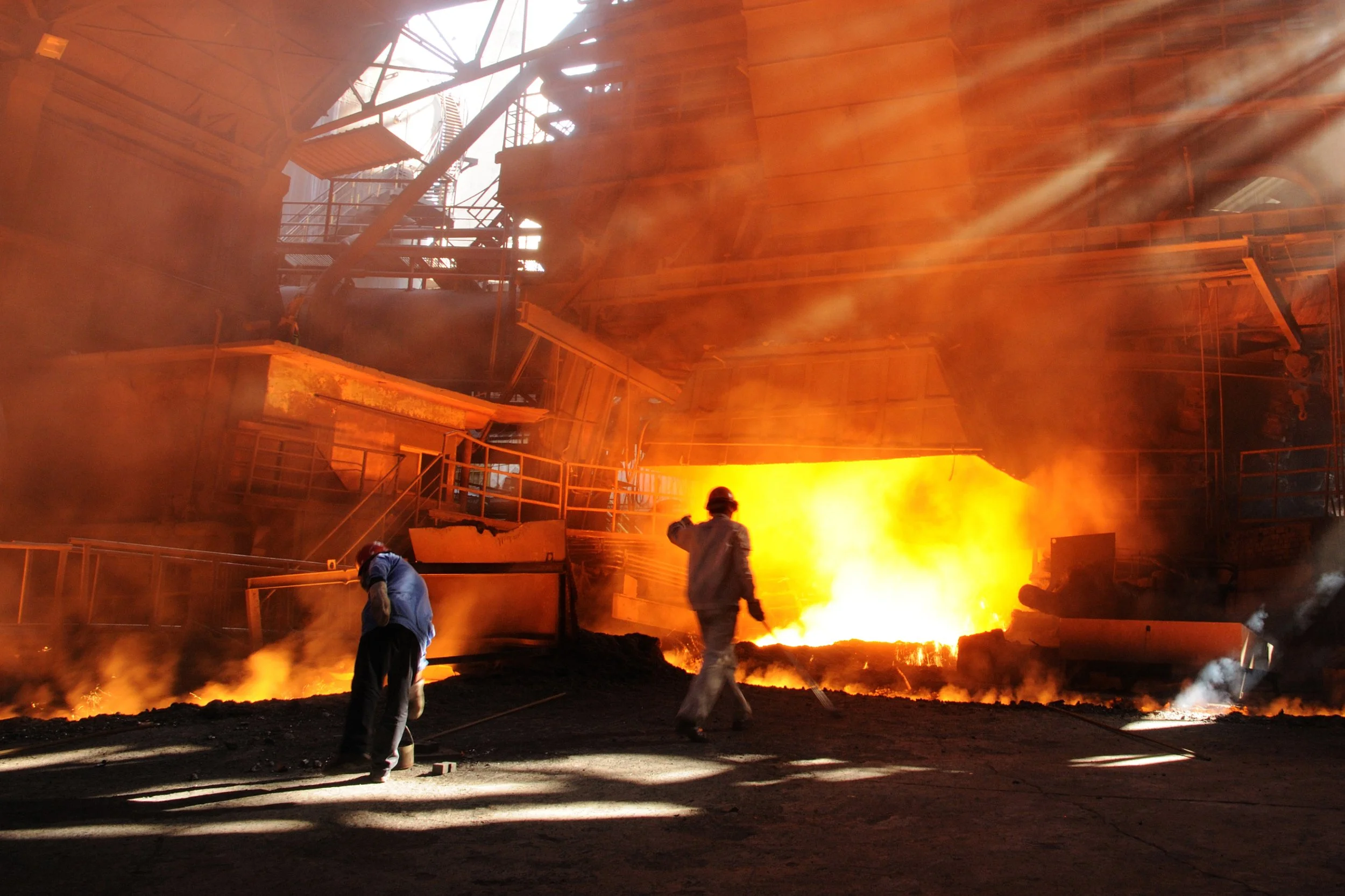
Industrial Heat
A high-temperature thermal energy source enabling decarbonization of energy-intensive industries (steel, aluminum, chemicals, cement, and semiconductors) that cannot electrify through the grid.
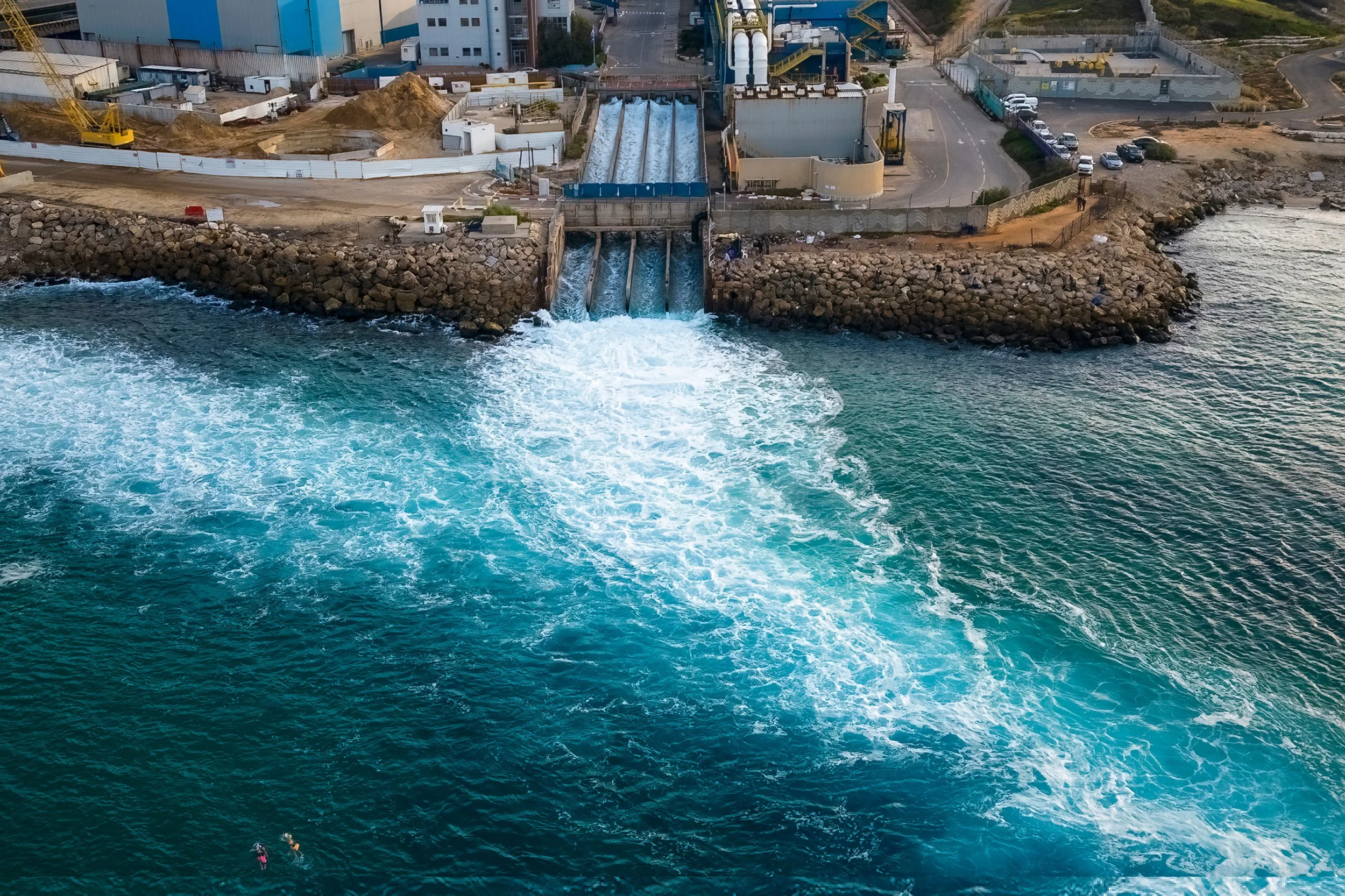
Desalination
A source of cheap, abundant electricity for large-scale freshwater production, addressing global water scarcity across coastal regions and water-stressed agricultural and industrial areas.
Data Centers
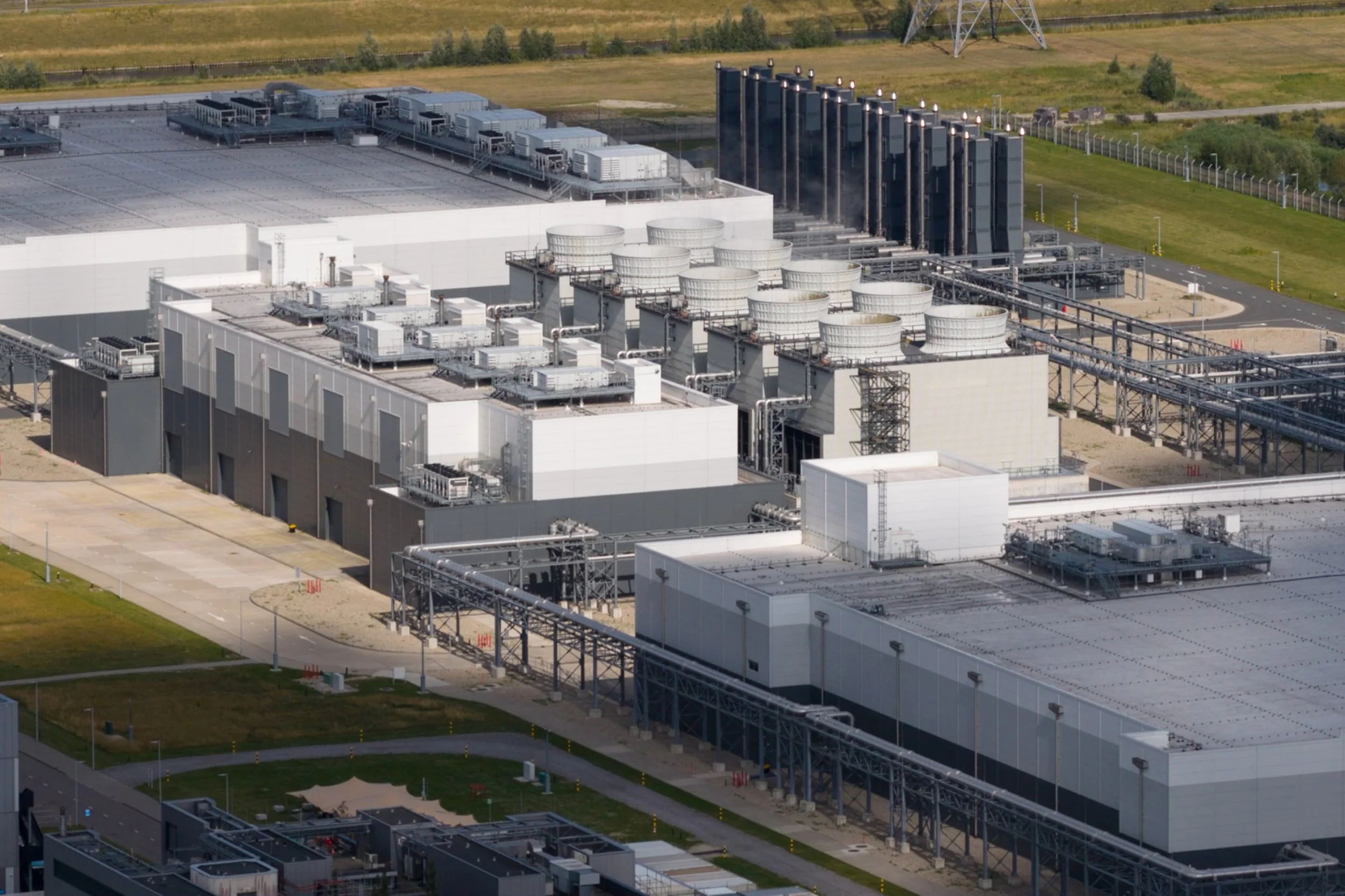
A dedicated power source for hyperscalers and AI infrastructure facing grid constraints. Fusion can be collocated with data centers to provide baseload power at the point of consumption.
Synthetic Fuels
High-temperature fusion heat can drive the production of hydrogen and synthetic hydrocarbons, providing carbon-free fuels for shipping, aviation, and heavy transport where direct electrification is unavailable.

Adjacent Technologies
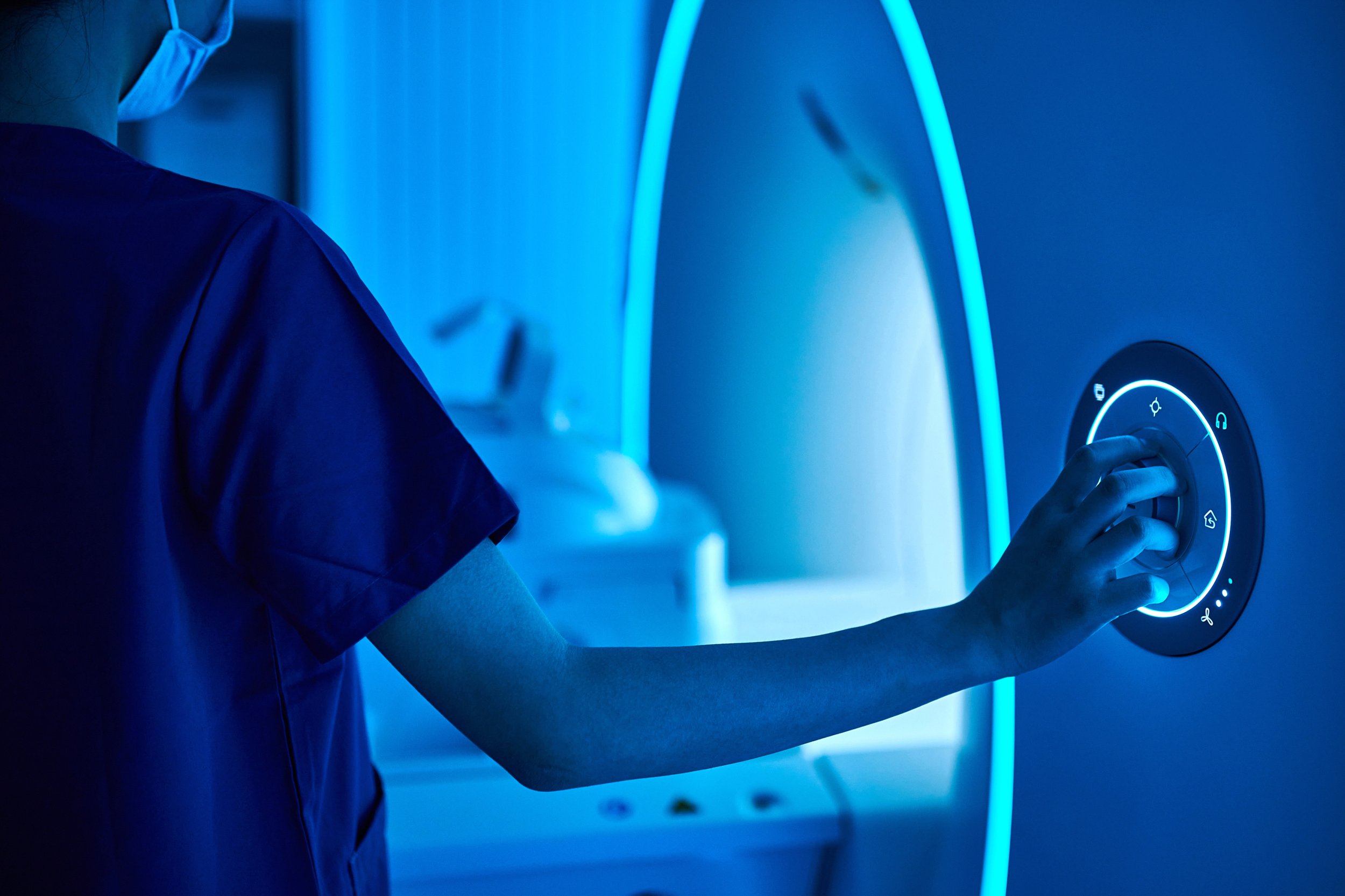
A foundation for spinoff applications in medical imaging, cancer treatment, fission waste transmutation, and space propulsion, drawing on plasma physics, magnets, and neutron science.

▼ WHY NOW
Why Now: The Commercial Inflection Point
Fusion has been pursued as a research project for more than seventy years. What is different today is not the science alone, but the simultaneous alignment of four forces:
▼ THE PATH FORWARD
The Next Decade
The next ten years will move fusion from feasible to probable. Private companies will demonstrate net gain across multiple confinement concepts. First-of-a-kind pilot plants will come online. Power purchase agreements will multiply. Regulatory pathways will codify. Pre-deployment valuations will reprice sharply as technology validations land. This is the window in which investment positioning matters most.
-
HTS magnets and AI-driven plasma simulations have accelerated reactor design. NIF's 2022 breakeven confirmed net energy gain is physically achievable.
-
Total fusion funding reported since 2021 stands at $14.24bn, a seven-fold increase. Two public companies. Utilities and hyperscalers signing power purchase agreements with fusion developers.
-
The US, UK, China, Japan, and Germany are funding commercialization. NRC is finalizing a fusion-specific licensing pathway distinct from fission.
-
Electricity demand is entering structural acceleration—driven by electrification, AI, data centers, and emerging-market growth. IEA projects 2× by 2050.
Our venture capital investment and advisory platform was built specifically for this moment. Founded by MIT Professors Dr. Dennis G. Whyte and Dr. Andrew W. Lo, Rutherford Energy Ventures (REV) combines deep technical due diligence with a structured, diversified approach to investing across the fusion ecosystem.
Frequently Asked Questions
-
Yes. Fusion reactions have been produced in laboratories for decades. In December 2022, the National Ignition Facility achieved scientific breakeven, the first time more fusion energy was released than the laser energy used to trigger the reaction.
-
Conventional nuclear power uses fission, which splits heavy atoms and produces long-lived radioactive waste. Fusion combines light atoms and produces only short-lived activated materials and helium. Fusion cannot run away or melt down—disruption causes the reaction to stop, not escalate.
-
Most credible fusion developers target the first commercial deployment in the early-to-mid 2030s. The next decade will see scientific demonstration, pilot-plant construction, and the first power purchase agreements with utilities. Widespread commercial deployment is expected in the 2040s.
-
The most developed fusion approach uses two hydrogen isotopes: deuterium and tritium. Deuterium is extracted from seawater. Tritium is produced inside the reactor itself by exposing lithium to fusion neutrons. Both are essentially inexhaustible.
-
Yes. Fusion reactions require precisely controlled conditions and cannot sustain themselves if disrupted. There is no risk of meltdown or runaway reaction. Fusion does not produce long-lived high-level radioactive waste, and the technology cannot be used to produce weapons-grade material.
-
A fusion reaction releases roughly four times more energy per kilogram of fuel than fission, and millions of times more than any chemical reaction. A 1-gigawatt fusion power plant would require approximately 250 kilograms of fuel per year, compared to the millions of tons of coal a comparable fossil-fuel plant would burn.
-
Fusion is transitioning from research to commercial deployment. Pre-deployment valuations are expected to reprice sharply as technology validations land. Investment positioning in this window captures multiple expansions from engineering milestones through commercial scale.